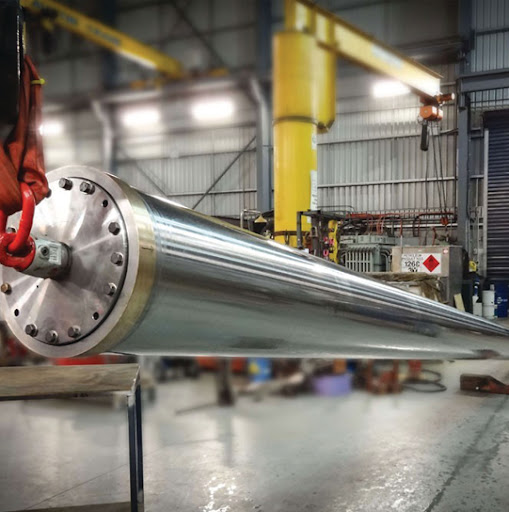
Chrome Cylinder Manufacturing, This process is used to increase the durability, abrasion resistance, and corrosion resistance of the cylinder. Here are the general steps for chrome cylinder manufacturing:
1- Material Selection:A suitable metal material is selected for the cylinder to be manufactured. This is typically a high-strength material such as steel or stainless steel.
2- Cylinder Manufacturing: The main body of the cylinder is manufactured from the selected metal material. This is usually achieved through casting or forging processes. The diameter, length, and other geometric characteristics of the cylinder are determined during the manufacturing process.
3- Surface Preparation:The outer surface of the cylinder is subjected to a special preparation process to ensure better adhesion of the chrome plating. This step may include cleaning, smoothing, and, if necessary, acid treatment of the surface.
4- Chrome Plating: Chrome plating is applied to the outer surface of the cylinder. This process is generally known as electroplating. The cylinder is immersed in an electrolyte solution where the chrome plating takes place, and the plating process occurs via electric current. The chrome plating increases the surface's resistance to abrasion, corrosion, and chemical effects.
5- Finishing Processes: After the chrome plating process, the cylinder may be polished or subjected to other treatments, if necessary. Finishing processes help the cylinder achieve the desired appearance and performance.
Chrome Cylinder Manufacturing, is commonly used, especially in hydraulic cylinders, printing rollers, valve cylinders, and other industrial applications. This process extends the cylinder's service life, increases operational efficiency, and reduces maintenance requirements.